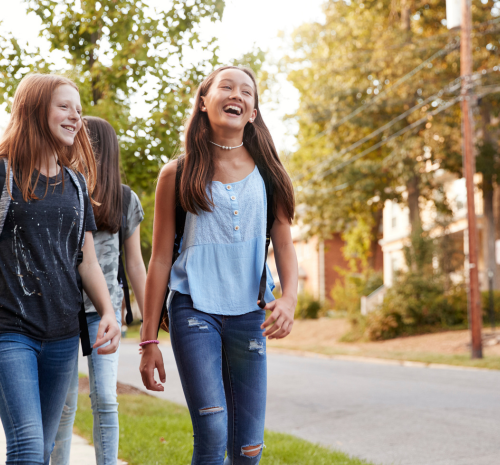
By late June, a lot of parents feel two things at once: relief and worry.
Relief, because the nightly homework battles stop, the rushed mornings ease up, and everyone gets a break from the constant push of grades, deadlines, and social drama. Worry, because you’ve seen this movie before. A few weeks of staying up too late turns into a habit. Screen time creeps up. Moods swing. A simple reminder can turn into a blowup. Then August hits, and it feels like the stress train is already pulling into the station.
Here’s the hopeful truth: summer can be more than downtime. It’s a rare, low-pressure window for teens to learn skills that make the school year easier, not just academically, but emotionally and socially too.
Summer is not just a break, it is a low-pressure practice season for real life
Think of summer like the off-season for a sport. You’re not playing high-stakes games every day, but you can work on form, strength, and confidence without the same pressure. For teens, “form” often means coping, communication, and self-control.
During the school year, stress piles up fast. Tests, friend drama, teacher feedback, group projects, tryouts, and college talk can hit in the same week. When a teen is already overwhelmed, new skills feel like extra work. In summer, there’s more room to practice, mess up, and try again.
That doesn’t mean your teen needs a packed schedule. Unstructured time can be healthy. The goal is to add just enough structure and skill practice so the days don’t slide into patterns that make fall harder.
Common summer risks are pretty predictable: too much screen time, irregular sleep, isolation, boredom, and less face-to-face practice with peers. These patterns can shrink a teen’s comfort zone. Then school starts, and everything feels too loud, too fast, and too demanding.
A calmer season makes learning easier. When stress is lower, the brain has more space for reflection, practice, and building new habits. That’s why summer skill-building can pay off later, when it really counts.
What unstructured summer time can look like without a plan
A “no-plan” summer often starts out fine. Your teen decompresses, sleeps in, and finally stops running on adrenaline. Then little routines set in.
Some teens drift into a cycle like this: up late, sleep till noon, eat at random times, and spend hours scrolling or gaming. They might turn down invites because it feels awkward to show up after weeks of being home. They may seem irritated when asked to do basic things, like walk the dog or help with dinner. Siblings get under each other’s skin. Parents start tiptoeing, because anything can spark an argument.
This usually means they’re out of practice with a few key things: handling boredom, tolerating frustration, and re-joining the world after a long stretch of isolation. Screens can also become the main coping tool, because they work quickly. They distract, numb, and fill time.
Without chances to practice emotional regulation and social skills, a teen’s “stress muscles” can weaken. Then, when school starts and stress returns, they go back to the only tools that feel automatic: shutting down, snapping, avoiding, or pushing through until they crash.
A small plan doesn’t kill summer fun. It protects it. It gives your teen a way to enjoy freedom while still practicing the skills they’ll need in August.
The skills that matter most before school starts
When parents think “summer learning,” they often picture math packets or reading lists. Those can help, but many teens struggle more with the invisible stuff: stress tolerance, self-talk, and how they handle conflict.
Here are the core skills that make a real difference in school situations, from tests to lunchroom stress:
Naming emotions: Putting feelings into words (annoyed, embarrassed, disappointed, left out) instead of acting them out. This helps with shutdowns, sarcasm, and door slams because it gives the brain a clearer signal.
Calming the body: Simple tools like slow breathing, grounding (noticing what you see, hear, feel), stretching, or a short walk. A calmer body makes better choices.
Coping choices: Knowing a few healthy options for different moments, like taking a break, using music, journaling, problem-solving, or doing one small task to regain momentum.
Communication: Asking for help, setting boundaries, and saying what you need without starting a fight. This matters with teachers, coaches, and friends, not just parents.
Social confidence: Practicing how to join a group, start a conversation, handle awkwardness, and recover after feeling left out.
In real life, these skills show up in ordinary school moments. A teen who can name emotions might say, “I’m stressed about this test,” instead of picking a fight over something small. A teen who can calm their body might take two minutes to breathe before walking into a crowded cafeteria. These are small moves with big results.
What changes when teens learn coping skills in a supportive group setting
Teens can learn skills at home, and many do. Still, there’s something powerful about practicing coping skills with peers. A group setting adds social reps, real-time feedback, and the quiet comfort of realizing, “It’s not just me.”
In a well-run program, coping skills aren’t treated like lectures. They’re practiced like drills. Teens try tools in low-stress moments first, then learn how to use them when emotions start rising. They also see other teens struggle and recover, which can make the whole idea feel less embarrassing.
Why many teens show up nervous and guarded at first
Most teens don’t walk into a new group feeling brave. Even confident kids can get tense in unfamiliar settings, especially when feelings might come up.
Common fears sound like this in a teen’s head: What if people think I’m weird? What if I don’t know what to say? What if I mess up? What if the adults push me to share stuff?
Guarded behavior is often self-protection. A teen might look bored, act tough, or stay quiet. They might complain before going, or ask to skip “just this once.” That doesn’t mean the program isn’t working. It often means the teen is testing safety.
Trust usually grows through predictable routines and clear rules. Teens relax when they know what will happen next, what’s expected, and what won’t be tolerated (mocking, gossip, pressure to share). Kind adults help by being steady, not overly intense, and by praising effort over “perfect participation.”
Over time, many teens take small risks: answering one question, trying a breathing exercise, joining a game, or making one comment to a peer. Those small risks add up. Confidence rarely arrives in one big moment. It builds like a stack of receipts.
What parents often notice after a few days
Changes can be easy to miss if you’re only looking for big speeches and instant calm. The more realistic signs are small, observable, and a little surprising.
Parents often report things like: their teen can name a feeling instead of shutting down. They take a break before an argument gets loud. They try a coping tool without being told. They come home less “loaded,” even if they’re still tired.
You might notice your teen pausing, then saying something like, “I’m not trying to be rude, I’m just overwhelmed.” Or they might head to their room for ten minutes, then come back and re-join the family. Eye contact may improve. Their tone may soften. They may show more willingness to talk in the car, which is often where teens talk the most.
Social changes can show up too. A teen who was avoiding friends might mention a new acquaintance. They may be more open to leaving the house. They might laugh more, or seem lighter, even if nothing about school has changed yet.
These aren’t guarantees. Teens still have hard days. The difference is they start building a bridge between emotion and action. Instead of emotion driving the whole car, it becomes a passenger they can respond to.
Skills learned in summer can make the next school year smoother for the whole family
Every fall has its own stress. That part doesn’t disappear. What can change is the pattern your family falls into when stress returns.
Many parents know the cycle: the first week starts with hope, then schedules tighten, sleep drops, and tension rises. Homework turns into a power struggle. A teen gets snippy, a parent gets firm, and suddenly everyone’s upset about more than the missing assignment. Repeat for nine months.
Summer skill-building interrupts that cycle. When teens practice coping and communication before school starts, they’re more prepared for the first wave of pressure. Parents also feel more steady because they have shared language and tools to point to. Instead of “calm down,” it becomes “take a two-minute reset” or “pick a coping tool.”
The biggest win is often the relationship. Fewer blowups means more trust. More trust means your teen is more likely to tell you what’s going on before it becomes a crisis. That’s not just “better behavior.” That’s a safer home environment for everyone.
How coping skills show up during the first weeks of school
The first weeks are a stress test. New teachers, new social groups, and new expectations all land at once. This is where simple coping tools become real-life tools.
Morning stress is a common flashpoint. A teen who can calm their body might do three slow breaths while putting on shoes, instead of spiraling into “I can’t do this.” If they’re running late, they may be more able to problem-solve (text a friend for notes, talk to a teacher) rather than melting down.
Homework load can trigger avoidance. Coping choices help here. A teen might set a 15-minute timer and start with the easiest problem, then take a short break. They may use self-talk like, “I don’t have to finish it all right now, I just have to start.”
Friend stress hits hard in September. Naming emotions helps teens make sense of it. “I’m jealous,” “I feel left out,” or “That was embarrassing” is easier to handle than a vague storm of anger. Communication skills matter too, like asking for clarity instead of guessing, or setting a boundary when group chats get mean.
Teacher feedback can feel personal. A teen with stronger coping skills may pause before firing off a defensive email or giving up. They’re more likely to ask for help, go to tutoring, or talk to you without shame taking over.
Coping Skills Summer Camp is Enrolling Now!
Summer doesn’t have to be a waiting room for the next school year. It can be a training season where teens build coping skills that help them handle stress, relationships, and school routines with more control.
If you want one next step, keep it simple: talk with your teen about what usually gets hard in the first month of school, pick one skill to practice weekly (like a two-minute reset or naming feelings), and consider if Coping Skills Summer Camp if your teen would benefit from guided practice with peers. The goal isn’t a perfect fall. It’s a calmer start and a stronger sense that your teen can handle what comes next.