When your teen melts down, your first instinct is to panic. Don't.
Fear makes adults move fast. When your teen says "I can't do this anymore" or breaks down crying, every parental alarm goes off. Your heart races. Your mind jumps to worst-case scenarios. You think: emergency room, crisis intervention, something terrible is about to happen.
But here's what I've learned after 15 years of working with teens: Intensity doesn't automatically mean danger.
Why Your Teen's Pain Becomes Your Emergency
When your teen is drowning in emotions, your nervous system goes into overdrive because you love them. Their pain becomes your emergency. Your heart rate spikes, adrenaline floods your system, and every instinct says "fix this now."
When someone we love is in distress, our brain treats it like our own crisis. But your teen's emotional storm isn't your emergency to solve.
Fast Responses Usually Backfire
When parents move fast from fear, they often escalate situations instead of calming them. You rush to fix the problem before understanding it. You call crisis lines when your teen needs support, not intervention. You threaten consequences when they're already overwhelmed. You bombard them with questions when they can barely think.
Why do fast responses escalate? Because your panic adds to their panic. They feel misunderstood instead of supported. The focus shifts to your fear instead of their feelings. They learn that big emotions create chaos, and trust erodes when they feel like their pain scares you.
What Your Teen Actually Needs
Your teen's meltdown isn't a problem to solve; it's an emotion to support. They need your calm presence, not your panic. They need validation that their feelings make sense. They need time for the emotional storm to pass. They need safety without drama.
Support sounds like "This sounds really hard" and "I'm here with you." It looks like sitting with them without trying to fix anything. It means understanding before action, presence before problem-solving.
The Power of Slowing Down
When you slow down instead of speeding up, you protect your teen from your panic. They don't need to manage your fear on top of their own emotions. You give their nervous system time to settle because emotions have a natural rise and fall when they're not interrupted.
Slowing down makes space for actual understanding. You can't assess what's really happening when you're in crisis mode. Your calm teaches them that big emotions don't have to create chaos, and they learn they can come to you with big feelings without creating a family emergency.
Distress Versus Danger
Most of the time, your teen is in distress, not danger. Distress sounds like "I can't do this anymore" or "Everything is too hard." It looks like crying, yelling, or shutting down. It feels overwhelming but isn't immediately life-threatening.
Danger is different. It involves specific plans for self-harm with means and timeline. It includes giving away possessions or sudden calm after intense distress. It means active preparation for harmful behaviors or clear intent to hurt themselves.
Distress needs support. Danger needs intervention. Learning the difference will save your family from unnecessary trauma.
Storms Are Temporary Weather
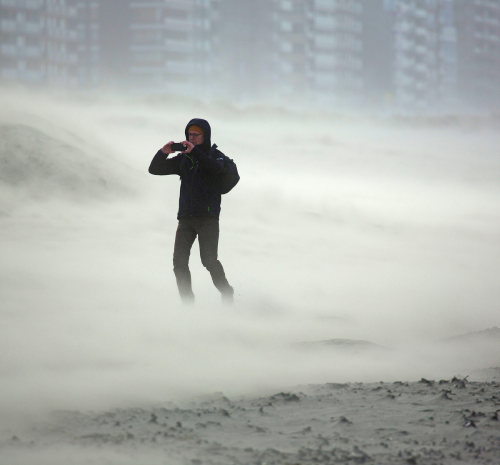
Your teen's emotional storm feels overwhelming to you because you love them. But storms are temporary weather, not permanent climate. When you stay steady during their chaos, the emotion peaks and naturally begins to decrease. Your teen feels supported instead of alone. They learn they can survive big feelings, and trust in your relationship deepens.
When you panic during their storms, the emotion gets bigger because now they're worried about you too. They feel like their feelings are dangerous. They learn to hide their struggles to protect you, and family chaos becomes associated with their emotions.
Building Your Capacity to Stay Calm
Staying calm when your teen is falling apart isn't natural—it's a skill. Use your own stress meter and rate yourself one to ten. If you're above a six, you're too activated to help effectively. Take three deep breaths before you say or do anything. Remind yourself that this is hard, but it's not an emergency.
Focus on presence over problem-solving. Your job is to be with them, not fix them. Trust the process because emotions have a beginning, middle, and end when they're allowed to flow naturally.
What Your Response Teaches
When you stay calm during their emotional storms, your teen learns that big feelings are manageable. They learn they can trust you with their struggles and that emotions don't have to create chaos. They discover you're a safe person to come to when things are hard.
When you panic during their storms, they learn their feelings are dangerous. They learn they need to hide their struggles to keep you safe and that they're responsible for managing your fear.
Moving Forward Without Fear
The next time your teen has a big emotional moment, pause before you act. Support before solutions. Trust the process. Stay curious, not panicked.
Your teen doesn't need you to be their fellow passenger on the emotional rollercoaster. They need you to be the steady ground they can land on when the ride is over.
Big feelings need support first, solutions second. Slowing down protects everyone. Storms pass when they're met with steady presence, not panic.